




How to Store Dried Firewood So It Stays Ready to Burn All Winter
Quick Answer
To keep dried firewood ready to burn all winter, store it off the ground, under cover, with good airflow on all sides. Avoid wrapping logs in airtight plastic, keep them away from your house walls to prevent damp transfer, and only bring in what you’ll burn within a day or two to stop indoor humidity from re-absorbing into the wood.
Buying good quality kiln dried logs is only half the job. If you store them badly, even the driest, best-seasoned firewood can pick moisture back up within weeks leaving you with logs that hiss, smoke, and struggle to catch. The good news is that proper firewood storage doesn’t need to be complicated or expensive. A few simple habits will keep your logs burning exactly as well in February as they did the day you bought them.
This guide walks through exactly how to store dried firewood so it stays dry, ready, and efficient right through the coldest months.
Why Storage Matters as Much as Drying
Kiln dried firewood typically leaves the kiln with a moisture content below 20% the sweet spot for a clean, efficient burn. But wood is hygroscopic, meaning it naturally absorbs moisture from the air around it. Leave dried logs sitting out in the rain, or stacked directly on damp ground, and that moisture content can climb back up fast.
Burning wood above 20% moisture causes several problems:
- More smoke and less heat, as energy goes into evaporating water instead of warming your room
- Increased soot and creosote buildup in your chimney or flue
- A harder fire to light and keep going
- Faster wear on your stove glass from tar deposits
If you’re not sure where your current logs stand, our guide on Ideal Firewood Moisture Levels explains how to check moisture content and what to look for.
1. Keep Firewood Off the Ground
Never stack firewood directly on soil, grass, or concrete that stays damp. Ground moisture will wick straight up into the bottom layer of your stack, and over a winter that dampness can spread upward through the whole pile.
Use a simple raised base instead — wooden pallets, a purpose-built log rack, or even a few concrete blocks with planks laid across them. The goal is just to create an air gap between your logs and the ground.
2. Cover the Top, Leave the Sides Open
This is the mistake most people make: wrapping firewood entirely in a tarp or plastic sheeting. Sealing logs in on all sides traps humidity inside the stack, which does more harm than good especially with logs that were properly kiln dried to begin with.
Instead:
- Cover only the top of the stack to keep rain and snow off
- Leave the sides open, or loosely covered, so air can circulate freely
- If using a tarp, weigh it down but don’t cinch it tight against the wood
Good airflow is what keeps stored wood dry, not a complete seal.
3. Stack Away from Walls and Fences
It’s tempting to stack firewood tight against the side of your house or a garden wall, but this traps moisture between the logs and the wall, and can also invite damp or pest problems for the structure itself. Leave a gap of at least a few inches, and ideally position your stack somewhere that gets some sunlight and wind exposure to help any residual moisture evaporate.
4. Choose the Right Location
The best storage spot is:
- Elevated or well-drained, so water doesn’t pool nearby after rain
- Exposed to some airflow a fully enclosed shed with no ventilation can trap humidity
- Reasonably close to your house for convenience, without being stacked against it
A wood store with slatted or open sides is ideal, since it protects from direct rain while still allowing air to move through the stack.
5. Only Bring In What You’ll Burn Soon
It’s worth resisting the urge to fill a basket or bring in a week’s worth of logs at once, especially early in the season. Indoor air particularly in a warm, humid kitchen or utility room can allow logs to reabsorb some moisture if left sitting for too long before burning. Bring in only a day or two’s supply at a time, and store it somewhere dry and well-ventilated indoors, such as near (but not touching) a heat source.
6. Rotate Your Stock
If you buy firewood in bulk ahead of winter, use older stock first. Stacking new deliveries at the back and working through older wood at the front (a “first in, first out” approach) ensures nothing sits for so long that it starts to degrade or pick up ground moisture from a shifting stack.
Storing Different Fuel Types
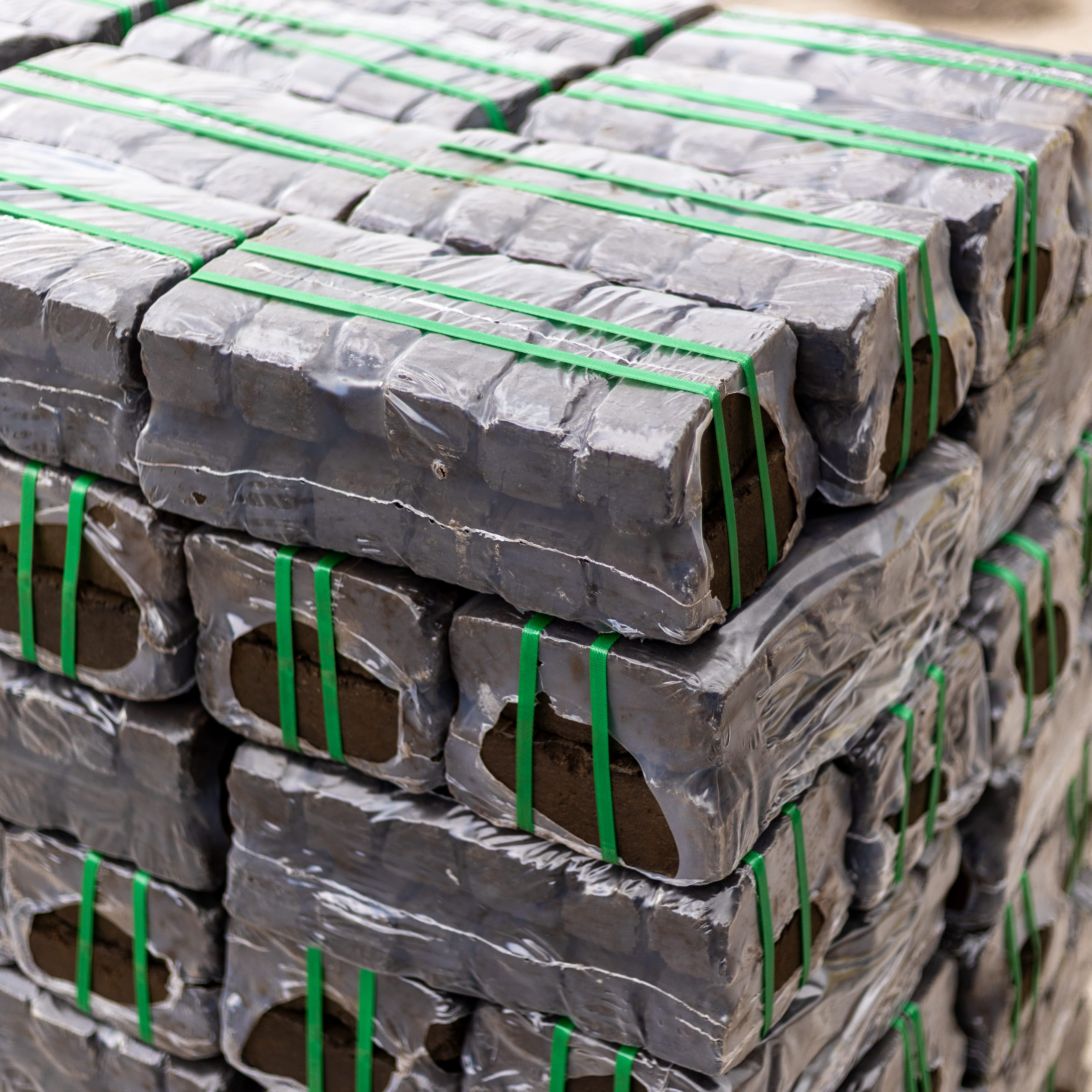
If you’re storing a mix of fuels for the season, kiln dried logs alongside smokeless coal or briquettes keep them separate where possible. Bagged smokeless fuels like ovoids are less sensitive to humidity than firewood, but keeping bags sealed and off damp ground still extends their shelf life. For more on how smokeless fuels compare and perform, see our guide: Smokeless Fuels Explained.
If you’re deciding between wood types for the season ahead, our comparison of Kiln Dried Oak Logs vs Seasoned Wood is worth a read before you stock up.
Signs Your Firewood Has Been Stored Badly
Even with the best intentions, it helps to know the warning signs of firewood that’s picked up moisture:
- Logs feel noticeably heavier than expected for their size
- Bark is loose, damp, or shows mould
- Wood hisses or bubbles at the end when placed near heat, rather than catching quickly
- Difficulty getting a fire going despite using kindling and firelighters
If you’re seeing these signs, move your stack to better airflow immediately and consider bringing a smaller batch indoors to dry out closer to your stove before burning.
Stock Up Once, Store It Right
Getting your storage right means the kiln dried logs you buy in September burn just as well in January. It’s a small amount of extra effort for a noticeably better fire all winter, less smoke, less mess, and more heat for your money.
Ready to stock up before the cold really sets in? Browse our full range of Kiln Dried Logs, or pair them with our Smokeless Coal range for a longer, steadier burn through the evening.
Frequently Asked Questions
Should I cover firewood completely with a tarp?
No. Covering only the top of your stack is best. Fully wrapping firewood traps moisture and humidity inside the pile, which can undo the drying process even for kiln dried logs.
How long can kiln dried logs be stored before use?
Kiln dried logs can be stored for months, even a full year or more, provided they’re kept off the ground, covered on top, and allowed good airflow. Poor storage is what causes quality to drop, not simply time.
Can I store firewood in a garage or shed?
Yes, as long as there’s some ventilation. A fully sealed space with no airflow can trap humidity, especially if the logs weren’t completely dry to begin with. A shed with gaps or vents works well.
Why does my firewood feel damp even though I bought kiln dried logs?
This usually points to storage conditions logs left uncovered in rain, stacked on wet ground, or wrapped in airtight plastic can reabsorb moisture even after proper kiln drying.
How much firewood should I store for winter?
This depends on how often you use your stove or fire, but as a general guide, many Irish households get through 3 to 5 cubic metres of firewood across a full winter season with regular use.
Does firewood go bad if stored too long?
Wood doesn’t “go bad” in the way food does, but it can develop mould, rot, or pest issues if stored somewhere consistently damp for extended periods. Properly stored dry firewood can last for years without losing quality.

Stay Connected With Us




Copyright 2024 © Coughlan Fuels
Website By Creative Digital