


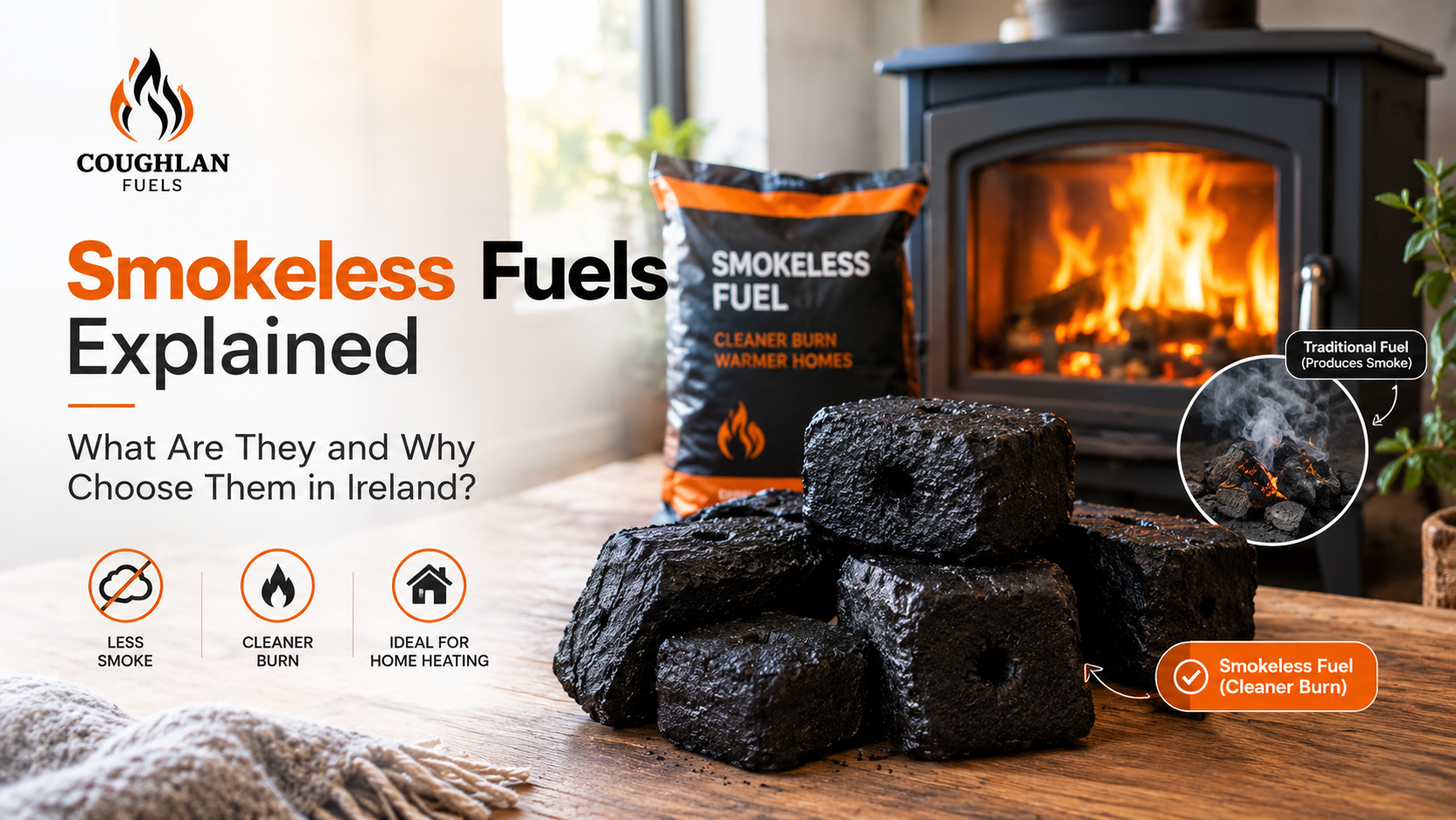
Smokeless Fuels Explained: What Are They and Why Choose Them in Ireland?
Quick Answer
Smokeless fuels are processed solid fuels like smokeless coal ovoids, briquettes, and anthracite manufactured to burn with little to no visible smoke. They’re legally required in Ireland’s smoke control areas, produce less air pollution than traditional coal, and offer longer, more efficient burn times for home heating.
If you’ve noticed “smokeless coal” or “smokeless ovals coal” showing up more often on shelves and in supplier catalogues across Ireland, you’re not imagining things. Since the national ban on smoky coal expanded to cover all of Ireland, smokeless fuels have gone from a niche product to the default choice for anyone heating their home with a solid fuel stove or open fire. But what exactly makes a fuel “smokeless,” and is it actually better than what you were burning before?
This guide breaks down what smokeless fuels are, how they’re made, and why they’ve become the standard for Irish households including how to choose the right one for your stove or fireplace.
What Are Smokeless Fuels?
Smokeless fuels are solid fuels manufactured specifically to burn cleanly, releasing significantly less smoke and particulate matter than raw bituminous coal. They’re not a single product the category includes several types:
- Smokeless coal ovoids (sometimes searched as “smokeless ovals coal” due to their rounded, oval-shaped briquette form)
- Smokeless briquettes made from compressed anthracite or coal dust
- Manufactured smokeless coal, processed to remove volatile compounds that cause visible smoke
The key difference between smokeless fuel and standard house coal comes down to processing. Raw coal contains high levels of volatile matter, the compounds responsible for the thick, sooty smoke you see from an open fire burning unprocessed coal. Manufacturers reduce or bind these volatile compounds during production, which is what allows smokeless fuels to burn with a cleaner flame.
For a closer look at how this process actually works, see our detailed breakdown: How Is Smokeless Coal Made? The Full Process Explained.
Why Smokeless Fuels Matter in Ireland
1. Legal Requirement in Smoke Control Areas
Ireland introduced a nationwide ban on the sale, marketing, and distribution of smoky (bituminous) coal to reduce air pollution linked to respiratory illness and premature deaths. If you live in a smoke control area which now covers the vast majority of Irish towns and cities, including Cork you are legally required to use smokeless or low-smoke fuels for home heating.
2. Better Air Quality, Indoors and Out
Traditional coal smoke contains fine particulate matter (PM2.5) that’s been directly linked to respiratory and cardiovascular problems. Smokeless fuels dramatically cut down on these emissions, which matters not just for the air outside your home but for anyone nearby with asthma, allergies, or other sensitivities.
3. Longer, More Consistent Burn Times
Smokeless coal ovoids are typically denser than raw coal, which means they burn slower and more evenly. Many customers find they need to refuel less often, making them a more economical option over the course of a heating season especially when paired with kiln dried logs for a hotter initial burn. If you’re weighing up your options for logs as well as coal, our guide on Kiln Dried Firewood: Which Burns Best for Your Irish Home is a useful companion read.
4. Cleaner Stoves and Chimneys
Because smokeless fuels produce less soot and tar, they leave behind less residue in your stove, flue, and chimney. This means less frequent chimney sweeping and a reduced risk of chimney fires caused by creosote buildup.
5. Consistent Heat Output
Smokeless coal is manufactured under controlled conditions, so the heat output tends to be more predictable batch to batch compared to raw coal, which can vary significantly in quality depending on its source.
Types of Smokeless Fuel Available
Not all smokeless fuels are the same, and choosing the right one depends on your appliance and heating needs:
- Smokeless coal ovoids: Oval-shaped, dense briquettes that burn slowly and steadily. A popular entry point for households switching away from traditional coal for the first time.
- Anthracite-based smokeless fuels: Naturally low in volatile matter, offering a hotter and longer burn, often used in stoves designed for high-efficiency heating.
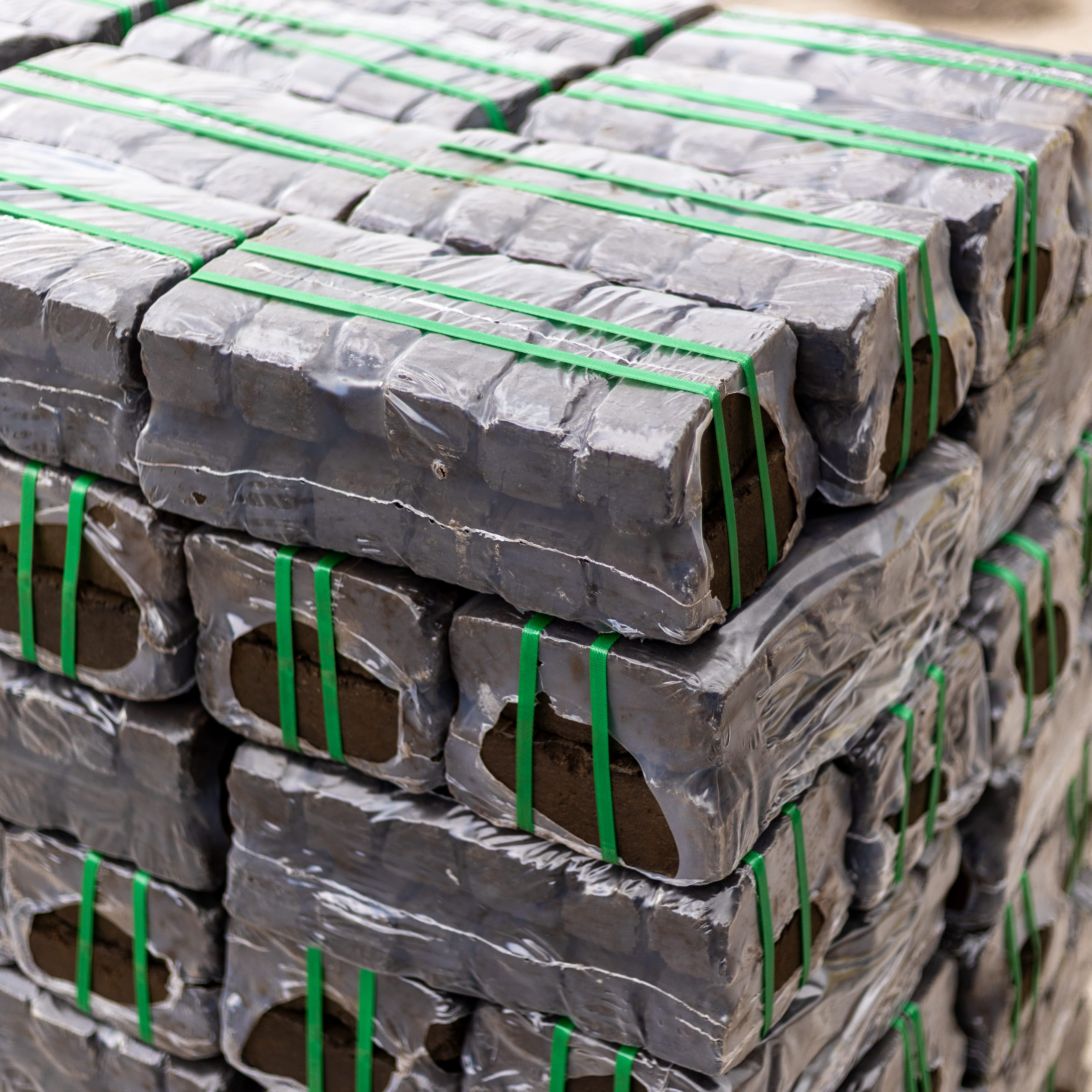
- Smokeless briquettes: Compressed fuel, often blending coal dust with binding agents, suited to open fires and multi-fuel stoves.
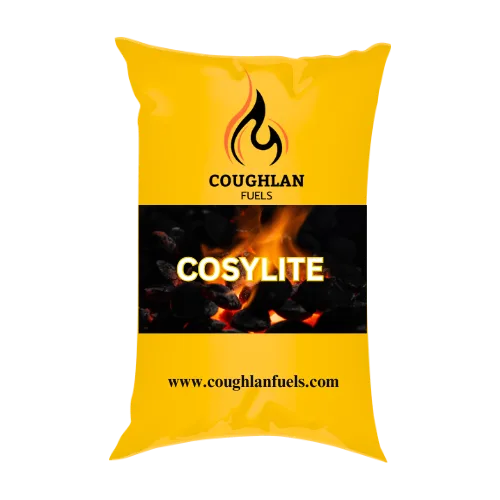
At Coughlan Fuels, our Smokeless Coal range includes trusted options like Cosyblaze Smokeless Ovoids, Surelite Smokeless Ovoids, Cosylite Smokeless Coal, and Masterflame Smokeless Coal all suitable for smoke control areas across Cork and beyond.
How to Choose the Right Smokeless Fuel
When picking a smokeless fuel, consider:
- Your appliance type: open fire, stove, or multi-fuel burner will each have different fuel recommendations from the manufacturer.
- Burn time needs: if you want a fire to last overnight, denser ovoids or anthracite blends tend to perform better.
- Heat output: check the fuel’s calorific value if maximum heat is your priority.
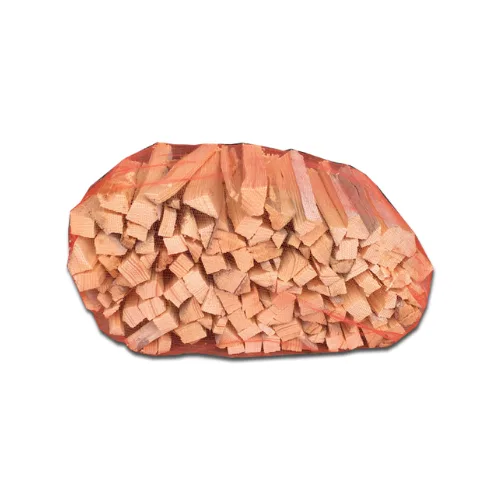
- Combining with logs: many households pair smokeless coal with kiln dried logs for a quick, hot start followed by a long, steady burn. If moisture content is a concern for your logs, our guide on Ideal Firewood Moisture Levels explains what to look for.
If you’re still deciding between different smokeless coal brands, our comparison article Which Smokeless Coal Is Best for Your Home Fires in Ireland? breaks down performance differences in more detail.
Making the Switch
If you’re currently using traditional coal and haven’t made the switch yet, smokeless fuels require no changes to your existing stove or open fire; they’re a direct replacement. Most customers notice the difference immediately: less visible smoke, a cleaner-smelling home, and noticeably less soot on windows and walls.
Ready to stock up before the cold sets in? Browse our full range of smokeless coal and ovoids, or explore our Kiln Dried Logs to pair with your fuel for the best possible burn.
Frequently Asked Questions
What is smokeless coal made from?
Smokeless coal is typically made from anthracite or processed bituminous coal that has had its volatile compounds reduced or removed during manufacturing, often through a process involving heat treatment and compression into ovoid or briquette shapes.
Is smokeless coal the same as smokeless ovoids?
Smokeless ovoids are a specific type of smokeless coal, shaped into dense, oval briquettes. The terms are often used interchangeably, and you may also see them searched as “smokeless ovals coal” but ovoids refer specifically to this compressed, oval form.
Do I legally have to use smokeless fuel in Ireland?
Yes. Ireland’s nationwide smoky coal ban means that in smoke control areas which cover the majority of towns and cities, across Ireland only smokeless or low-smoke fuels can legally be sold and burned for home heating.
Does smokeless coal produce as much heat as regular coal?
In many cases, anthracite-based smokeless fuels typically have a higher calorific value than raw bituminous coal, meaning they can produce more heat per kilogram. Standard smokeless ovoids and briquettes offer heat output comparable to traditional coal, with the added benefit of a longer, steadier burn.
Can I mix smokeless coal with kiln dried logs?
Absolutely. Many households use kiln dried logs to get a fire started quickly, then add smokeless coal ovoids for a longer, steadier burn throughout the evening.
How long does a bag of smokeless coal ovoids last?
This depends on your appliance and how often you’re burning, but ovoids are denser than raw coal and generally burn for longer per kilogram, meaning a 20kg bag can last several evenings of regular use in an average stove.
Related reading: How Is Smokeless Coal Made? | Which Smokeless Coal Is Best for Irish Homes? | Kiln Dried Firewood Guide

Stay Connected With Us




Copyright 2024 © Coughlan Fuels
Website By Creative Digital