


How Is Smokeless Coal Made? The Full Process Explained
Quick Answer
Smokeless coal is made by heating raw coal or coal-based materials in a low-oxygen environment (a process called carbonation) to burn off the volatile compounds that create smoke. The remaining carbon-rich material is crushed, mixed with a binder, and pressed into solid shapes, most commonly smokeless ovoids or smokeless coal ovals, which burn hotter, cleaner, and with far less visible smoke than untreated coal. This process is what allows homes in smoke control areas to keep an open fire or stove burning legally and efficiently.
If you’ve ever wondered why a bag of smokeless fuel looks so different from traditional lump coal- smaller, rounder, and more uniform- the answer lies in a fairly detailed manufacturing process. Understanding how smokeless coal is made helps explain why it’s the preferred choice for households in smoke control zones, and why it consistently outperforms raw coal on heat output and cleanliness.
What Is Smokeless Coal?
Smokeless coal is a manufactured solid fuel designed to burn with minimal smoke emissions. It isn’t simply “coal with the smoke removed” it’s an engineered product, often made from a blend of low-volatile coal, anthracite, coal dust, and other approved smokeless materials, bound together into a consistent shape. This is different from natural anthracite, which is inherently low in volatile matter but is still mined rather than manufactured.
The end goal is a fuel that meets national air quality regulations including those enforced under Ireland’s smoke control area rules while still delivering strong, long-lasting heat for stoves, open fires, and multi-fuel appliances.
The Full Manufacturing Process
Step 1: Sourcing and Selecting Raw Materials
Manufacturers begin with a blend of coal-based materials, typically low-volatile coals, anthracite fines, and sometimes petroleum coke. The exact mix varies by brand, but the goal is always the same: reduce the volatile content that produces smoke and soot when the fuel is burned.
Step 2: Carbonation (Removing the Volatile)
This is the defining step. The raw material is heated in a controlled, low-oxygen environment, a process known as carbonation or hydrolysis. Because oxygen is restricted, the material doesn’t combust; instead, the heat drives off tars, gases, and volatile compounds that would otherwise burn as visible smoke. What’s left behind is a much more carbon-dense material with a significantly reduced ability to produce smoke.
Step 3: Crushing and Grinding
Once carbonized, the material is crushed and ground into a fine, consistent powder or granular form. Uniform particle size matters here; it directly affects how evenly the fuel will burn once it’s pressed into its final shape.
Step 4: Mixing with a Binder
The powdered fuel is then combined with a binding agent, often molasses, starch, or another approved organic binder, which holds the particles together under pressure. The binder is chosen specifically because it burns cleanly itself, so it doesn’t reintroduce the smoke the carbonation step just removed.
Step 5: Pressing and Shaping
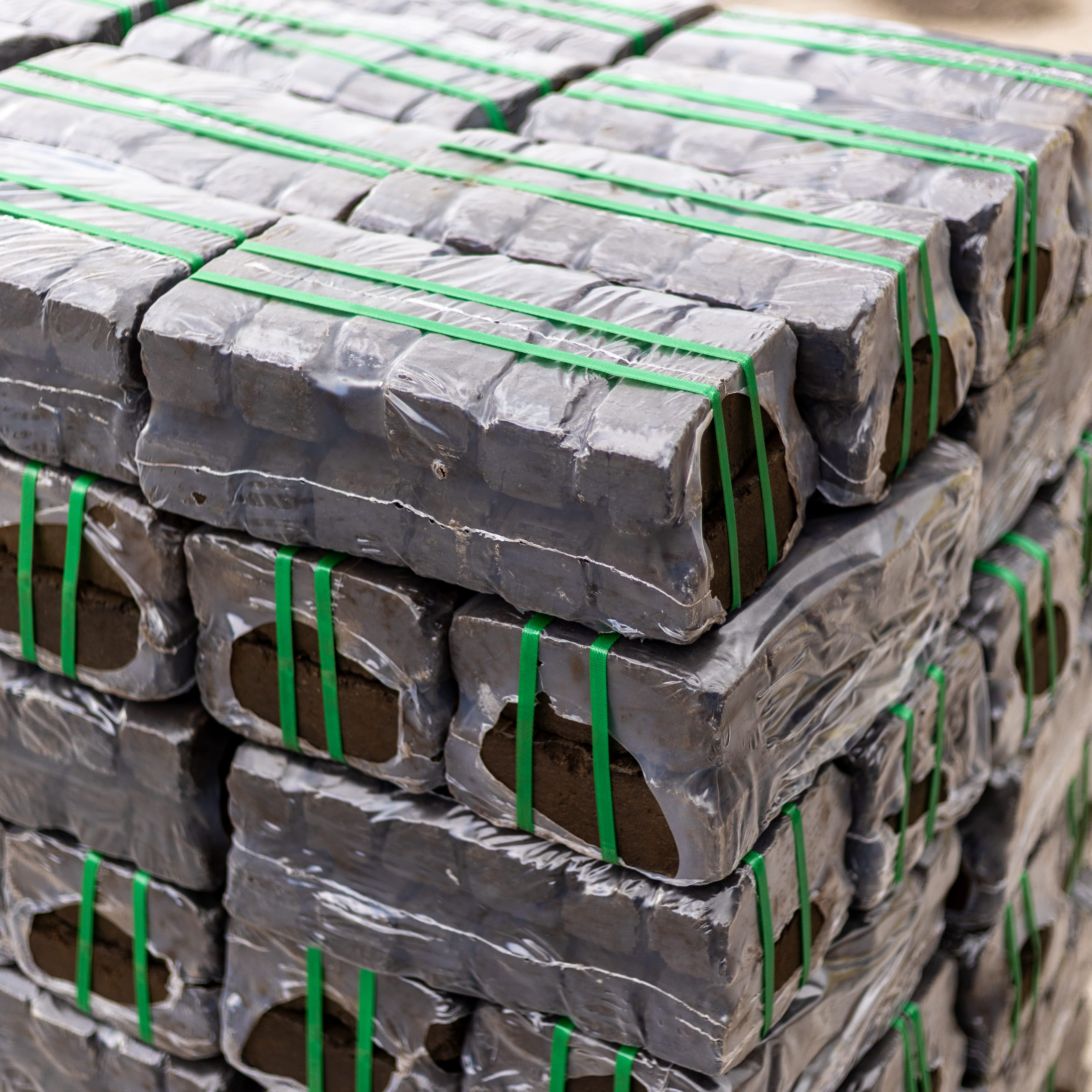
This is where the fuel takes its recognizable form. The mixture is fed into a press or extrude and compacted into dense, uniform pieces. Two shapes dominate the market:
- Smokeless ovoids small, egg-shaped briquettes that pack tightly, burn steadily, and are easy to handle and store.
- Smokeless coal ovals (sometimes called smokeless ovals coal) a similarly shaped, compressed format designed for consistent, long-burning heat in stoves and open grates.
Both shapes are engineered for the same reason: consistent density and surface area produce predictable, even combustion, unlike irregular lumps of raw coal.
Step 6: Curing and Drying
After pressing, the shaped fuel is dried and cured to remove excess moisture and allow the binder to fully harden. This step ensures the ovoids or ovals hold their shape during transport, storage, and handling, and that they light and burn reliably once they reach your stove or fireplace.
Step 7: Quality Testing
Reputable manufacturers test batches for smoke emission levels, heat output (measured in calorific value), and ash content before the fuel is packaged and distributed. This is what allows certified smokeless fuels to legally carry the “smokeless” designation for use in smoke control areas.
Step 8: Packaging and Distribution
The finished product is bagged, typically in 20kg or 40kg bags, and distributed to fuel merchants and households. From here, it’s ready to burn in stoves, open fires, and multi-fuel appliances.
Why the Process Matters for Performance
Because volatile compounds are removed early in the process, smokeless fuels burn hotter and more efficiently than raw coal, with noticeably less soot build-up in flues and chimneys. The dense, uniform shape of ovoids and ovals also means a longer, steadier burn, so you’re not constantly topping up the fire. This is one reason many households pair smokeless fuels with smokeless wood products, like kiln-dried logs, to get a quick, hot start from the wood and sustained, long-lasting heat from the smokeless fuel.
Smokeless Coal vs. Raw Coal: A Quick Comparison
| Feature | Raw Coal | Smokeless Coal (Ovoids/Ovals) |
|---|---|---|
| Smoke output | High | Very low |
| Legal in smoke control areas | Often not | Yes ✓ (when certified) |
| Burn consistency | Variable | Uniform, predictable |
| Heat output | Moderate | High, sustained |
| Shape | Irregular lumps | Pressed ovoids or oval |
Choosing the Right Smokeless Fuel for Your Home
Not all smokeless fuels are made equal. Binder quality, carbonation temperature, and coal blend all affect how a product performs in your stove or fire. If you’re weighing up which option suits your home, our guide on which smokeless coal is best for your home fires in Ireland breaks down the differences between leading brands. It’s also worth reading our kiln-dried firewood guide if you’re planning to combine smokeless coal with wood for a more economical burn.
Related Products
If you’re ready to try a manufactured smokeless fuel for yourself, these are popular choices:
- Sure Lite Ovoids: a classic smokeless ovoid, known for steady heat and low ash.
- CosyBlaze Ovoids (20kg) and CosyBlaze Ovoids (40kg): a high-performance smokeless ovoid available in two bag sizes.
- Masterflame 20kg and Masterflame 40kg are premium smokeless fuels built for long, hot burns.
- Clearflame Coal: a certified low-smoke fuel suited to smoke control areas.
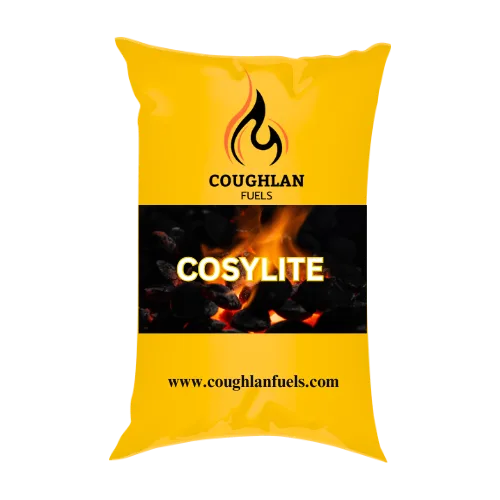
- Cosylite: an easy-light smokeless option, ideal for quick starts.
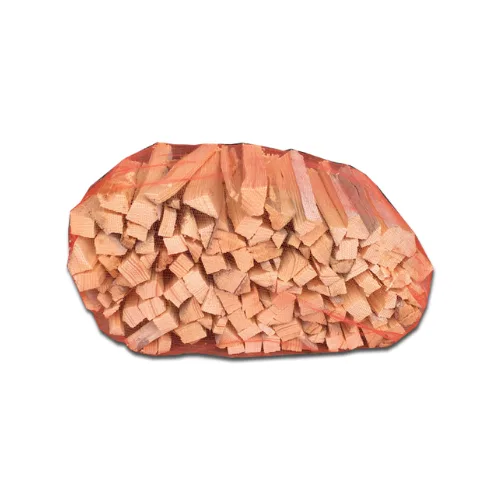
- Dried Birch Logs: a great smokeless wood companion fuel for kindling a fast, fire.
You can browse the complete range on our shop page, or get in touch via our contact page if you’d like advice on the right fuel for your stove or open fire.
Frequently Asked Questions
1. What makes smokeless coal different from regular coal?
Smokeless coal goes through a carbonation process that removes the volatile compounds responsible for smoke. Regular coal retains those compounds, which is why it produces visible smoke and more soot when burned.
2. Are smokeless ovoids and smokeless coal ovals the same thing?
They’re very similar. Both are pressed, shaped smokeless fuels made from carbonized coal and a binder. Ovoids are typically egg-shaped, while ovals are a slightly flatter, oval-pressed format. Both are designed for clean, consistent burning.
3. Can I use smokeless coal in a smoke control area?
Yes, as long as the specific product is certified as smokeless under local regulations. Always check the packaging or product listing to confirm certification for your area.
4. Does smokeless coal produce less heat than raw coal?
No, in fact, many smokeless fuels produce more usable heat per kilogram than raw coal, thanks to their dense composition and reduced moisture content after curing.
5. Can I mix smokeless coal with smokeless wood for burning?
Absolutely. Many households use kiln-dried or seasoned smokeless wood to get the fire started quickly, then add smokeless ovoids or ovals to sustain a longer, steadier burn overnight.

Stay Connected With Us




Copyright 2024 © Coughlan Fuels
Website By Creative Digital