



How Much Firewood Do You Need for Winter? A Simple Guide

Quick Answer: A household that lights its stove most evenings usually needs about 1 to 1.5 stacked cubic metres of kiln-dried firewood for the winter. Occasional weekend fires may need only half a cubic metre, while a home that relies on a stove as its main heat source can burn 3 cubic metres or more. To get your own figure, use this: stove output ÷ efficiency ÷ energy per kilogram × hours burned. Then add 10–15% as a safety margin.
Why There Is No Single Answer
Ask ten stove owners how much wood they burn, and you will get ten different numbers. Firewood use depends on your stove’s size, how often you light it, how well your home holds heat, and how dry your logs are. A few simple figures will give you a reliable estimate, and that beats running out of logs in January.
The Simple Formula
Wood is a fuel, and fuel is measured in energy. The unit is the kilowatt-hour (kWh), the same one on your electricity bill. Three figures matter:
- Heat you want: your stove’s typical output in kilowatts (kW). Most stoves are rated at 4-8 kW, but you rarely run them flat out. A realistic average is often 3 kW.
- Stove efficiency: the share of the fuel’s energy that ends up warming the room. Modern stoves manage roughly 70–80%, whereas an open fire often delivers only 20–30%.
- Energy in the wood: air-dried log wood at around 20% moisture holds about 4.1 kWh per kilogram, according to Forest Research, the UK government’s forestry research body.
Worked example: a stove giving 3 kW at 75% efficiency needs 4 kWh of fuel energy per hour (3 ÷ 0.75). At 4.1 kWh per kilogram, that is about 1 kg of logs per hour. Burn it for 4 hours, and you have used roughly 4 kg.
On an open fire at 25% efficiency, the same 3 kW needs about 2.9 kg per hour. That is nearly three times as much wood for the same warmth.
How Much Firewood Will You Use? Three Typical Households
Here is the formula applied to a 26-week heating season (roughly October to March). Forest Research puts the weight of a stacked cubic metre of dry log wood at 350–500 kg, so we use a mid-point of 400 kg to convert weight to volume.
| Household | Burning pattern | Approx. burn hours | Wood used | Stacked cubic metres |
| Occasional | 2 evenings a week, 4 hours | 208 | about 200 kg | 0.5 |
| Regular | 5 evenings a week, 4 hours | 520 | about 510 kg | 1.3 |
| Main heat | 8 hours a day, 150 days | 1,200 | about 1,170 kg | 2.9 |
All three assume an average output of 3 kW, 75% efficiency, and wood at 20% moisture or below. Treat them as a starting point: your own tally from last winter is the most reliable guide of all.
What Changes Your Number
Stove efficiency. An older stove or open fire sends much more heat up the chimney. If you are burning in an open grate, expect to need two to three times the figures above.
Home and insulation. A draughty house loses heat quickly, so your stove runs harder and longer.
Wood density. Dense hardwoods such as oak and beech pack more energy into each cubic metre than softwoods. Research from SINTEF notes that dry wood holds a similar amount of energy per kilogram whatever the species, which is why weight is a fairer way to compare than volume. Our guide to kiln dried oak logs vs seasoned wood shows how this affects burn time.
Moisture. This is the biggest hidden variable, and it deserves its own section.
Why Kiln Dried Wood Goes Further
Water in a log has to be boiled off before the wood can give you heat. Freshly felled timber contains 45–50% moisture and delivers only around 2 kWh per kilogram, roughly half the energy of properly dried logs, based on figures reported by Selectra. Wet wood also smoulders, blackens the glass and coats your flue with tar.
That is why kiln-dried firewood is such a reliable choice. Kiln-dried wood is dried under controlled conditions to a consistent moisture level, so a kilogram you buy is a kilogram you can burn. Our kiln dried firewood guide explains what to look for, and our page on the ideal firewood moisture shows how to check a log yourself with a simple meter.
There is also a legal side. Under Ireland’s Solid Fuels Regulations, as amended by S.I. No. 389 of 2025, wood sold in units of two cubic metres or less must have a moisture content below 20% from 1 September 2026. Larger volumes must come with a notice explaining that wet wood needs to be seasoned before burning. If you buy from a registered supplier, you are covered.
Buy by Weight, Not by Bag Size
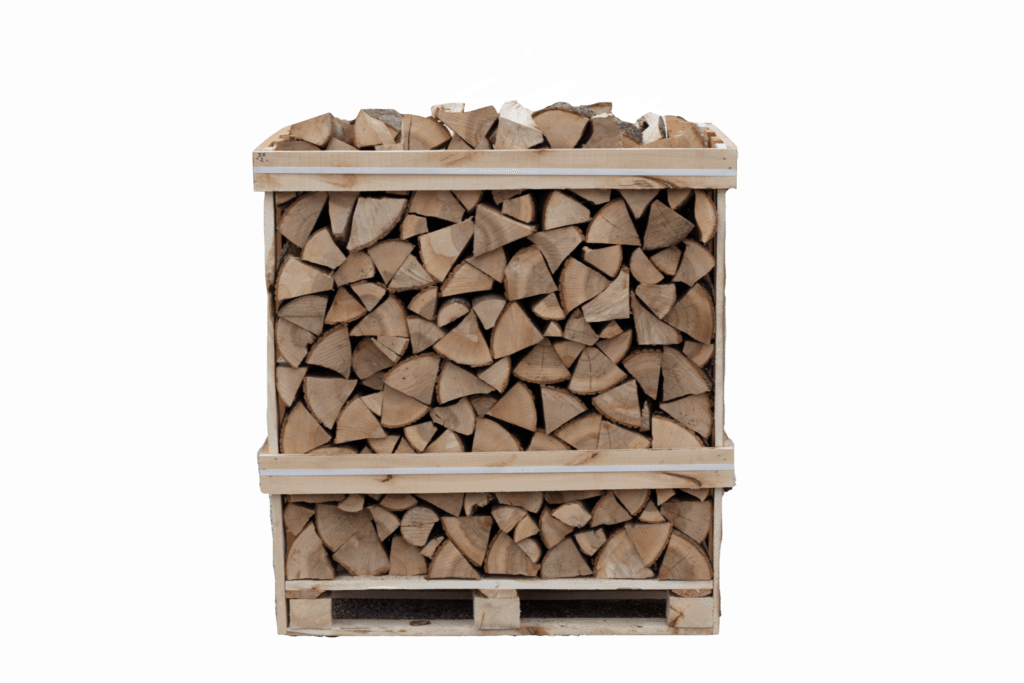
Cubic metres are handy for planning but can mislead at the point of sale. A loosely filled bulk bag holds noticeably less wood than a stacked cubic metre, so compare suppliers by weight and moisture content, not bag size.
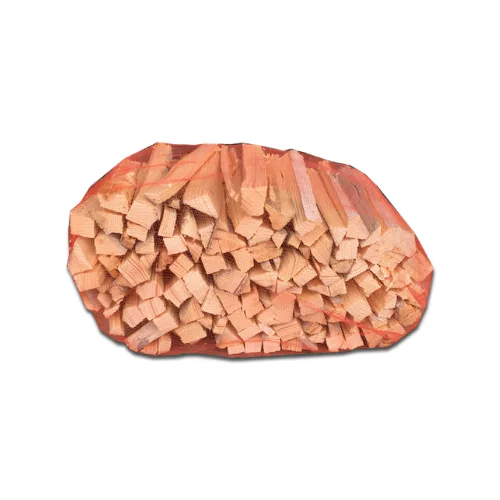
If you want a ready-dried supply for the whole season, browse our kiln-dried logs. For lighting, a pack from our kindling and firelighters range saves you from splitting small pieces at the last minute.
Mixing in Smokeless Fuels
Many households do not rely on wood alone. Logs light quickly and give a lively flame, but they burn through fast. Smokeless fuels such as coal and briquettes hold more energy per kilogram and last longer, which makes them useful for holding a fire overnight. Smokeless coal typically holds around 8–9 kWh per kilogram, roughly double a dry log.
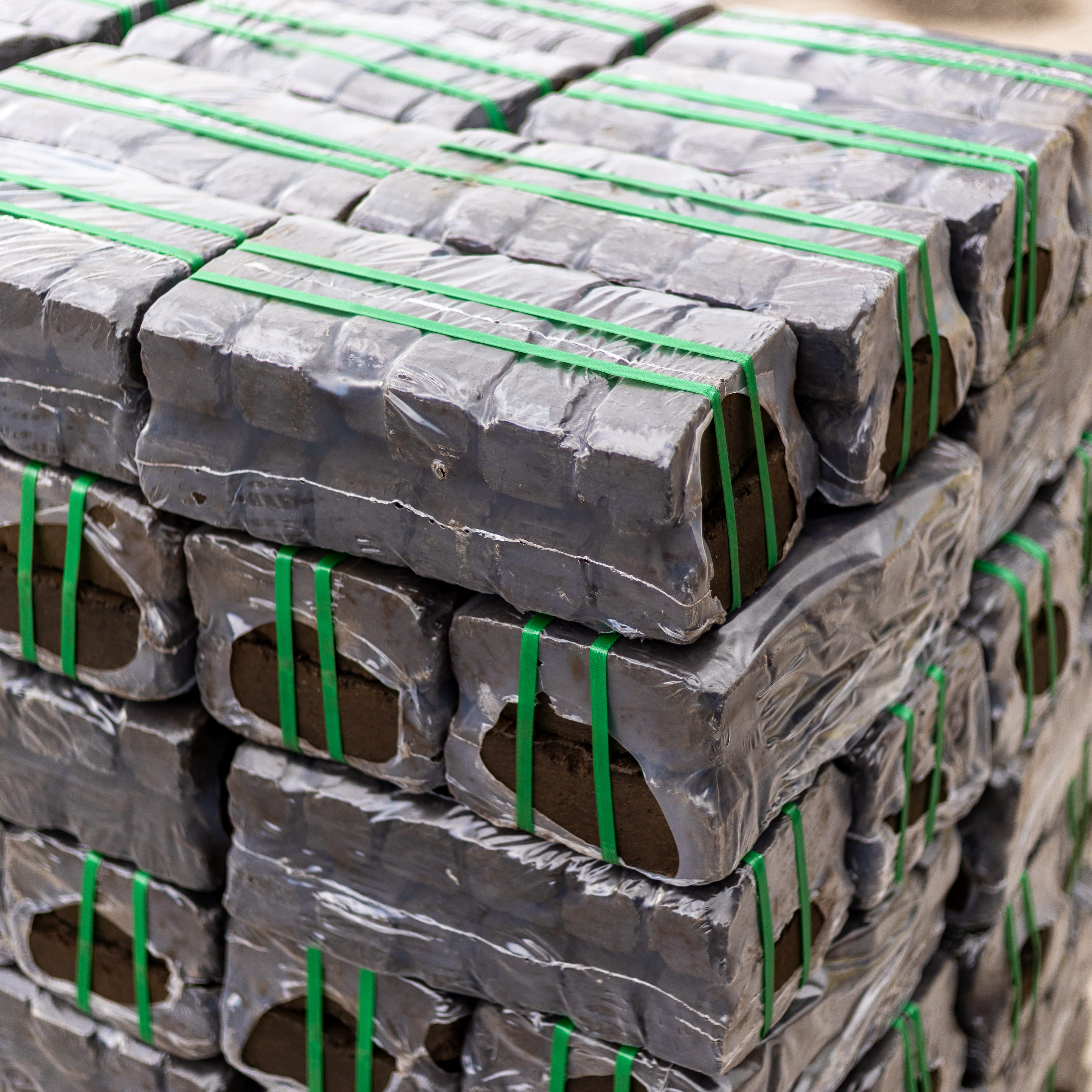
If you own a multi-fuel stove, a blend can stretch your wood supply and smooth out the cost. Browse our smokeless coal and turf briquettes, or read smokeless fuels explained to see what qualifies under the regulations. If you are choosing between brands, our guide to which smokeless coal is best for your home can help. Always check your stove manual first, because wood-only stoves should not burn coal.
When to Order and How to Store It
Order before the first cold snap, not during it. Our guide on ordering firewood in August in Ireland explains why timing matters, and our shipping information covers delivery details.
Once your logs arrive, stack them off the ground, under cover, with airflow at the sides. Our guide to storing firewood for winter covers the details.
Frequently Asked Questions
How many bags of firewood do I need for winter?
It depends on the bag. A regular evening user burning around 500 kg needs the equivalent in bags. Check the weight printed on the pack and divide your estimated total by it.
How much firewood does a 5 kW stove use per hour?
At full output and 75% efficiency, about 1.6 kg per hour of dry logs. In everyday use, most stoves run well below full output, so roughly 1 kg per hour is more typical.
Should I buy extra in case winter runs long?
Yes. Adding 10–15% to your estimate is sensible, and leftover logs keep well if stored dry.
Is kiln-dried wood worth the extra cost?
Usually. Because it is consistently dry, it releases more heat per kilogram, lights more easily and is kinder to your stove and flue.
The Bottom Line
Most stove owners need between half a cubic metre and three cubic metres of wood a winter, depending on how much they use the stove. Work out your hourly burn, multiply by your hours, convert to volume and add a margin. Choose dry, kiln-dried wood, store it well, and mix in smokeless fuels if your stove allows. Whatever your stove, a little planning now means a warmer home and no mid-winter dash for logs.
Ready to stock up? Visit our shop to see current products, or contact the Coughlan Fuels team if you would like help choosing the right amount for your stove.

Stay Connected With Us




Copyright 2024 © Coughlan Fuels
Website By Creative Digital