


How Long Does a 20kg Bag of Smokeless Coal Last? Stove vs Open Fire
| Quick Answer: A 20kg bag of smokeless coal usually lasts around 25 to 40 hours in a modern stove, which is five to eight evenings of regular use. On an open fire, the same bag often gives only 8 to 14 hours, or two to three evenings, because most of the heat goes up the chimney. Burn rate, fuel type, room size and how you control the air all shift these figures. |
Ask ten Irish households how long a bag of coal lasts and you’ll get ten different answers. One neighbour says a week, another says it’s gone by Wednesday. They’re both right, because the answer depends on what you’re burning it in and how you run it.
This guide gives you realistic ranges, shows the maths behind them, and explains what makes a bag last longer. It also covers where logs and briquettes fit in, since many households now mix fuels.
The Short Version: Stove vs Open Fire
| Setup | Typical burn time per 20kg | Evenings (about 5 hours) |
| Modern multi-fuel stove, controlled burn | 25-40 hours | 5-8 |
| Open fire, lit most evenings | 8-14 hours | 2-3 |
Please treat these as working estimates, not lab results. Manufacturers’ own claims are vague. Some bag labels say a fill can burn for up to nine hours, but they don’t say how many kilos that takes or how big the fire is.
Why a Stove Gets So Much More From the Same Bag
It comes down to efficiency. Smokeless coal carries roughly 7 to 8 kWh of energy per kilo, depending on the brand, so a 20kg bag holds somewhere around 140 to 160 kWh. How much of that reaches your living room is the real question.
- Modern closed stove: commonly rated around 70-80% efficient, so roughly 105 to 120 kWh ends up as useful heat.
- Open fire: often quoted at 20-30% efficient, so only about 30 to 45 kWh does.
That’s roughly three times more warmth per bag from a stove. If your room needs about 3 kW to stay comfortable, a stove turns one bag into around 35 to 40 hours of heat, while an open fire manages perhaps 10 to 15. The ranges in the table come from this arithmetic.
What Affects How Long a Bag Lasts
Four things move the numbers more than anything else.
1. Air control
A stove with its vents set low burns slowly and steadily. Wide open, it can go through fuel at twice the pace. Open fires have no such control, so they burn through coal quickly whenever the draw is strong.
2. The type of smokeless fuel
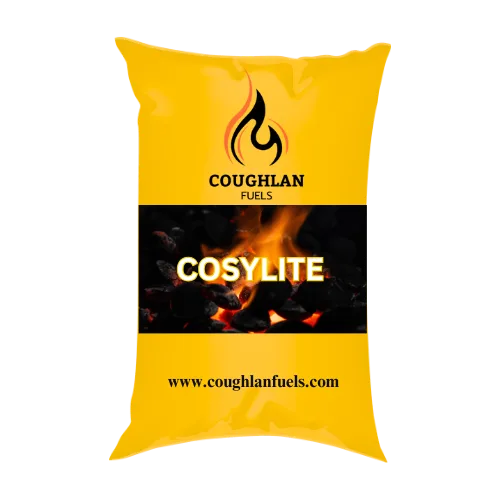
Ovoids are dense and pack tightly in the grate, so they tend to burn longer than looser, more open fuels. Ash content and heat output also vary between brands, so the bag you choose matters as much as the appliance.
3. Stove size versus room size
An oversized stove in a small room gets choked right down or overheats the space, and both waste fuel. A stove that suits the room can run steadily at a modest output.
4. Draught and chimney condition
A strong draw pulls heat up and out. A well-swept chimney and a properly sealed stove door make a noticeable difference to burn time.
Smokeless Coal, Logs and Briquettes: Using Them Together
Plenty of Irish households now burn more than one fuel, and it often works well.
Smokeless coal holds a steady glow for hours, which is why people bank it up overnight. Wood lights quickly and gives a lively flame, so it suits getting a fire going or a quick top-up. Mixing the two means each does what it’s best at, and your coal lasts longer because you aren’t relying on it for every hour of heat.
What about “smokeless wood”?
People search for “smokeless wood” quite a lot, but it isn’t an official fuel category. Wood always produces some smoke. What you can control is how much, and the biggest factor is moisture. Wet wood smoulders, gives off more smoke, and wastes energy driving off water.
Under Ireland’s Solid Fuel Regulations, which took effect on 31 October 2022, wood sold in units under 2m³ must have a moisture content below 25%. That limit tightened to 20% from 1 September 2025. In practice, kiln-dried firewood is the easiest way to meet that standard, because it’s dried under controlled conditions rather than left to the weather.
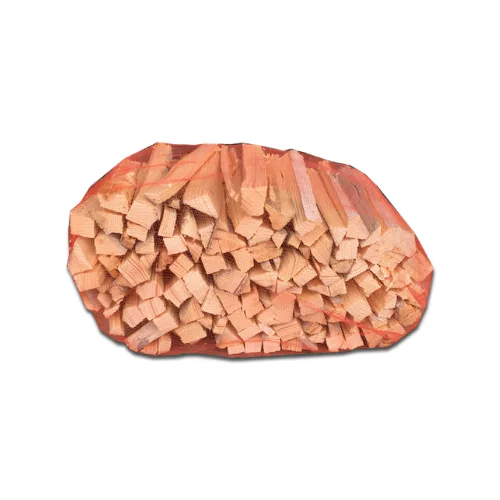
Kiln-dried logs commonly sit somewhere between 12% and 20% moisture. They generally ignite faster and burn cleaner than damp seasoned logs, which is why they pair so well with coal.
Briquettes and stove logs
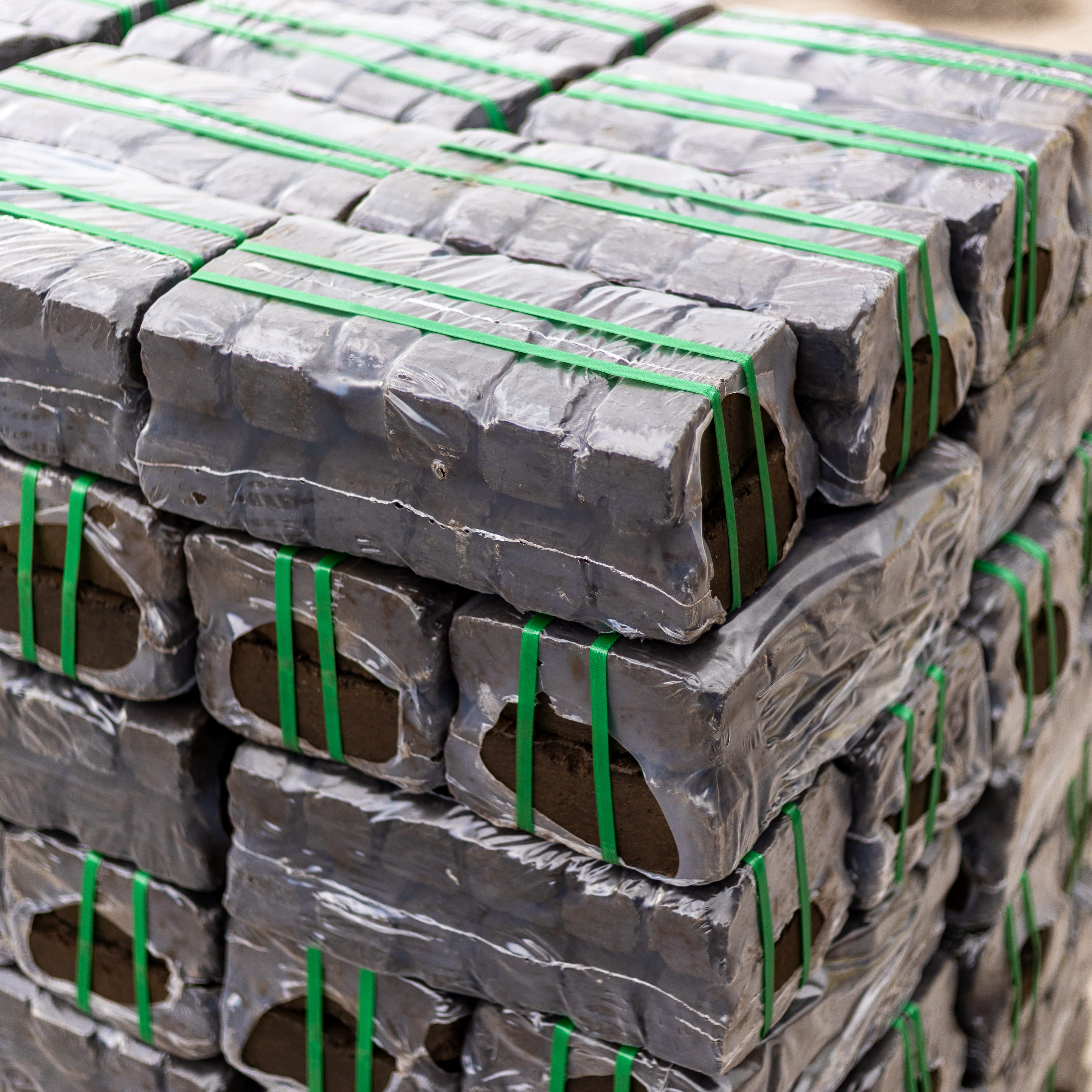
Compressed fuels are drier again. Briquettes typically hold under 10% moisture, and because they’re dense, they burn longer than loose logs. Compressed stove logs suit people who want a steady, low-mess burn, and they work well alongside coal on cold nights.
How to Make a 20kg Bag Last Longer
Small habits add up across a winter.
- Burn smaller, steadier fires. A modest fire keeps going and beats a big one that burns out.
- Use the air control. Close the vents once the fuel is properly lit.
- Don’t overfill. Packing the firebox too full wastes fuel and can overheat the stove.
- Keep fuel dry. Damp coal and damp logs both burn poorly. Store bags off the ground and under cover.
- Riddle the ash gently. Too much shaking drops partly burnt fuel through the grate.
- Sweep the chimney and service the stove. A clogged flue or leaking door seal reduces efficiency.
- Only burn approved fuel. Smokeless coal should be sold in sealed bags marked as approved under the Air Pollution Act regulations. That wording is worth checking before you buy.
A Quick Way to Estimate Your Own Usage
Weigh how much you burn in a typical evening. Say you use a quarter of a bag, about 5kg. A 20kg bag of smokeless ovoids then covers four evenings. If you find yourself at half a bag a night, you’re closer to two.
For a fuller comparison, SEAI publishes a quarterly domestic fuel cost comparison showing the cost per kWh of heat for coal, briquettes, logs and other fuels. It’s the fairest way to compare what different fuels really cost you, because price per bag alone can mislead.
Frequently Asked Questions
How long does a 20kg bag of smokeless coal last on a stove?
Typically 25 to 40 hours, or about five to eight evenings of regular use. A low, steady burn pushes towards the top of that range.
How long does it last on an open fire?
Usually 8 to 14 hours, or two to three evenings. Open fires lose much of their heat up the chimney, so they use fuel faster for less warmth.
Is smokeless coal better than wood?
They do different jobs. Smokeless coal burns longer and steadier, while dry logs light quickly and give a lively flame. Many households use both.
Can I burn smokeless coal on an open fire?
Yes, as long as it’s an approved fuel suitable for open grates. Check the bag, since some fuels are designed mainly for stoves.
What moisture content should logs have in Ireland?
Wood sold in units under 2m³ must be below 25% moisture, and the limit dropped to 20% from 1 September 2025. Kiln-dried logs usually meet this comfortably.
Conclusion
A 20kg bag of smokeless coal stretches much further in a stove than on an open fire, mainly because a stove keeps more of the heat in your room. Expect around five to eight evenings from a stove and two to three from an open fire, then adjust for your own habits.
If you want to cut fuel use, the biggest gains come from good air control, dry fuel, and pairing coal with logs or briquettes rather than leaning on one fuel for everything.
Stocking up for the colder months? Have a look at our turf and briquettes range to pair with your coal.

Stay Connected With Us




Copyright 2024 © Coughlan Fuels
Website By Creative Digital