

Smokeless Coal vs Kiln-Dried Logs vs Briquettes: Cost per Hour of Heat
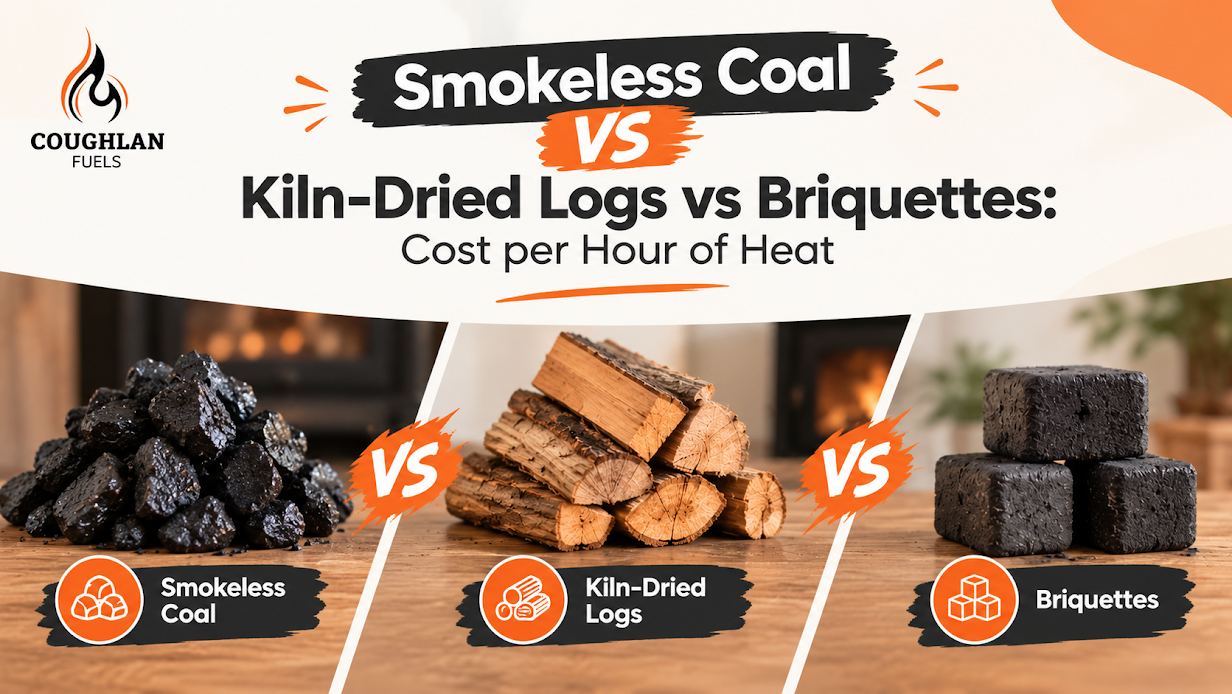
Quick Answer: For most stove owners, smokeless coal usually costs the least per hour of heat, kiln-dried logs often cost the most, and peat briquettes land in between. The gap depends on your local price per kilogram, since a kilogram of smokeless coal holds roughly twice the energy of a kilogram of logs. Use this formula: price per kg ÷ kWh per kg ÷ stove efficiency × heat output.
Why Bag Price Doesn’t Tell the Whole Story
Bag prices are easy to compare. Heat is harder. A 20 kg bag of smokeless coal, a net of logs, and a pack of peat briquettes all hold different amounts of energy and burn at different speeds. That is why the cheapest bag is not always the cheapest evening by the fire.
This guide compares the three fuels by cost per hour of heat, using a simple formula and a worked example. It also covers the Irish rules that apply to each fuel and where each one fits best.
How to Calculate Cost per Hour of Heat
Cost per hour of heat is what you spend on fuel to deliver a set amount of warmth for one hour. Three numbers decide it:
- Price per kilogram of the fuel
- Energy per kilogram, measured in kilowatt-hours (kWh)
- Stove efficiency, the share of that energy that actually warms your room
A kilowatt-hour is the same unit your electricity bill uses. One kWh of heat runs a 1 kW heater for one hour.
The formula: cost per hour = (price per kg ÷ kWh per kg ÷ efficiency) × kW of heat you want.
Here are approximate energy values for each fuel:
| Fuel | Approximate energy per kg |
| Smokeless coal | 8–9 kWh |
| Peat briquettes | About 5.4 kWh |
| Kiln-dried logs (under 20% moisture) | 4–4.5 kWh |
The peat briquette figure comes from SEAI’s fuel data. Coal and wood values vary by brand and species, so treat them as ballpark numbers.
What Each Fuel Brings to the Fire
Smokeless Coal
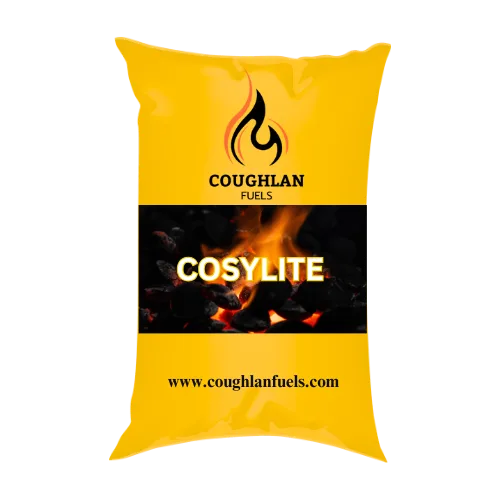
Smokeless coal is a manufactured fuel, usually pressed into ovoids from low-volatile coal and a binder. If you want the full production steps, there is a separate guide on how smokeless coal is made. The result is dense, so it packs a lot of energy into each kilogram and burns slowly and steadily. That makes it a good fit for overnight burns.
It is slower to light than wood and needs a multi-fuel stove or a suitable grate. Under Ireland’s Solid Fuels Regulations, coal products must emit less than 10 grams of smoke per hour. Our overview of smokeless fuels explains what qualifies and why.
Kiln Dried Logs
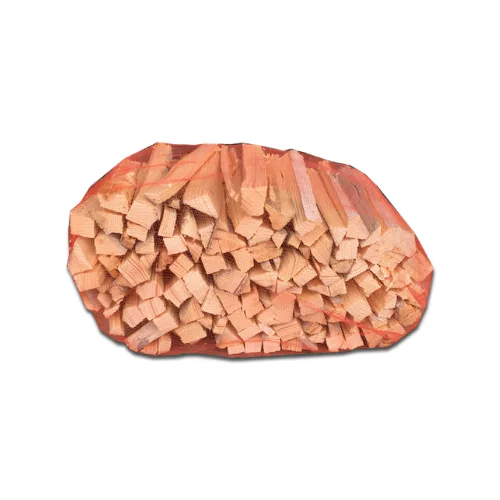
Kiln-dried logs are wood dried in a kiln until they are ready to burn. They light easily, give a lively flame, and leave little ash. They also carry less energy per kilogram, so you burn more of them for the same warmth. Density differs by species, and a comparison of kiln-dried oak vs seasoned wood shows how much that affects burn time.
Moisture matters here. In Ireland, firewood sold in units under two cubic meters must now have a moisture content below 20%, a limit that took effect on September 1, 2026. Wet wood wastes energy boiling off water and coats your flue with tar. A moisture meter lets you check a log in seconds.
Peat Briquettes
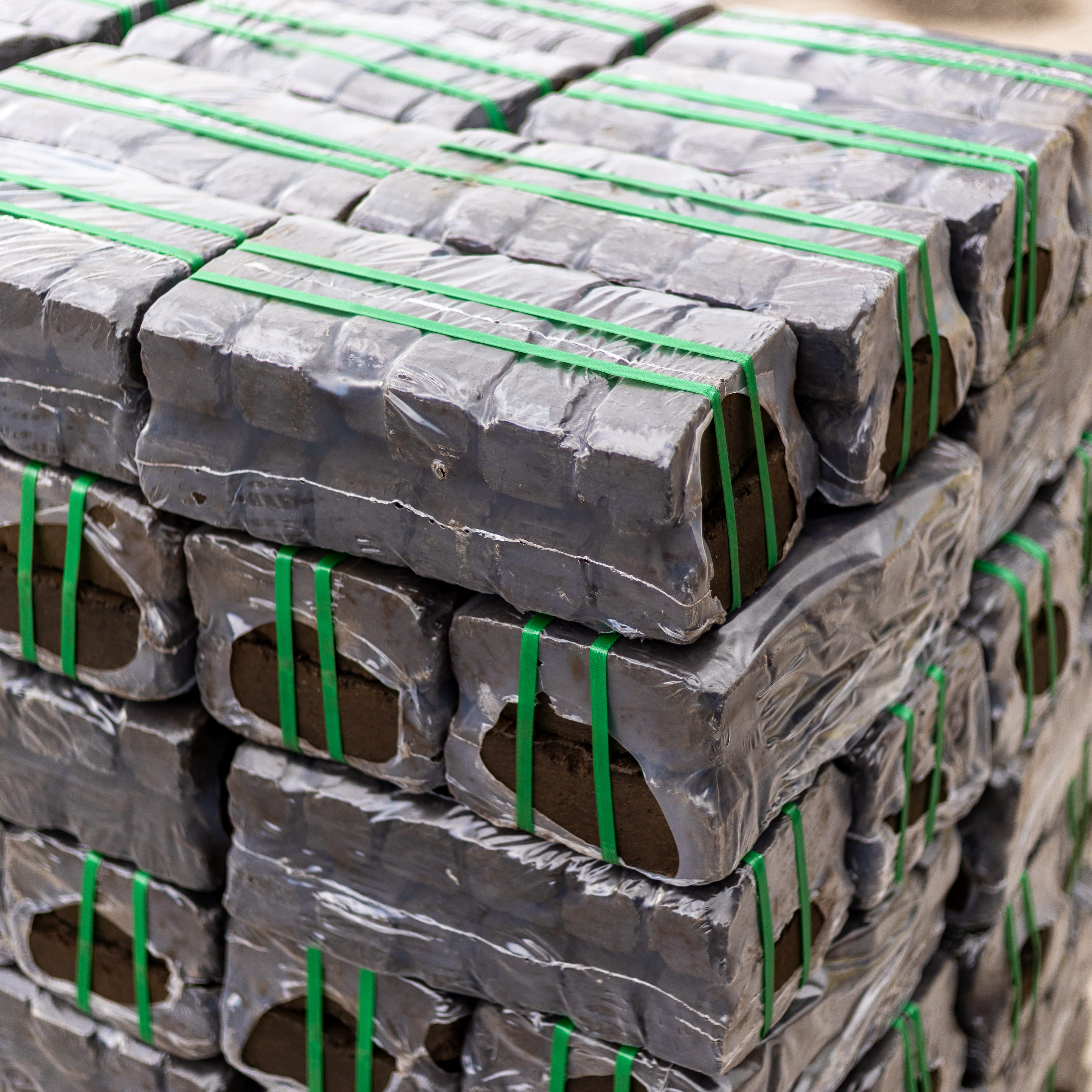
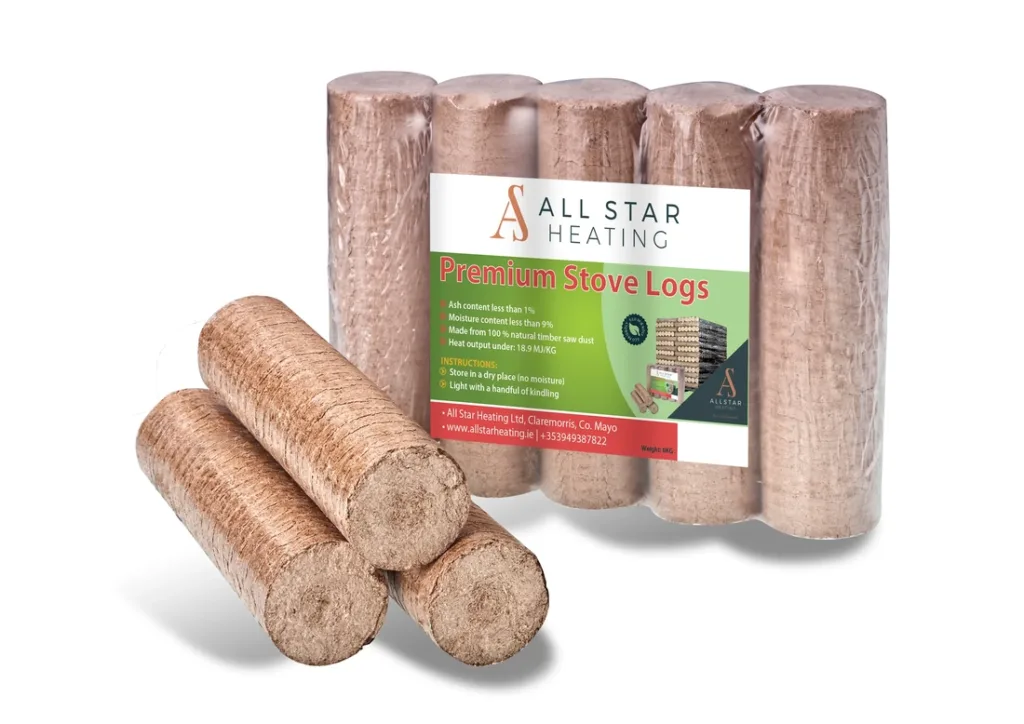
Peat briquettes are compressed peat, sold in bundled packs such as the 10 kg bag. They burn with a low, glowing flame and hold heat for a good while. Their energy content sits between logs and coal.
Loose turf is restricted under the same regulations, but manufactured briquettes that meet the smoke and sulfur limits can be sold. “Briquettes” also covers pressed hardwood products, which behave differently from peat.
Worked Example: Cost per Hour at 5 kW
Here is a side-by-side comparison for a modern stove delivering 5 kW of heat to a room. That is a typical rated output, though most people don’t run a stove flat out for an hour.
Assumptions: 75% stove efficiency, and example prices of €0.80/kg for smokeless coal, €0.55/kg for peat briquettes and €0.50/kg for kiln-dried logs. These are illustrative, so swap in your own.
| Fuel | Fuel burned per hour | Approximate cost per hour |
| Smokeless coal | 0.78 kg | €0.63 |
| Peat briquettes | 1.23 kg | €0.68 |
| Kiln-dried logs | 1.59 kg | €0.79 |
To deliver 5 kW at 75% efficiency, the stove needs about 6.7 kWh of fuel energy per hour. Dividing by each fuel’s energy content gives the kilograms burned, and multiplying by the price gives the cost.
What Changes the Result
The table above is a starting point. Four things can shift the ranking.
Price per kilogram. This is the biggest swing factor. If your logs cost €0.35/kg instead of €0.50, the hourly cost drops to about €0.56, cheaper than coal in this example. Bulk buying often changes the math.
Stove efficiency. Modern stoves convert roughly 70–80% of a fuel’s energy into room heat. Open fires often manage only 20–30%. At 25% efficiency, every fuel in the table costs about three times as much per hour.
Burn rate. Running a stove with the air vent wide open burns fuel faster without adding much usable heat. A controlled, steady burn stretches every bag.
Fuel quality. Wet logs lose a chunk of their energy to evaporation, so a cheap net of damp wood can cost more per hour than a dearer, properly dried one.
Beyond Cost: Burn Time, Ash and Convenience
Price per hour is only part of the picture. Here is how the fuels compare in daily use:
- Lighting: Logs light fastest. Coal and briquettes need a hot bed or kindling.
- Burn time: Coal lasts longest per load, with briquettes close behind. Logs burn through quickly.
- Ash: Logs leave little. Coal and peat leave more to clear out.
- Storage: Coal and briquettes keep well in bags. Logs need dry, ventilated storage off the ground, as covered in our guide to storing firewood for winter.
- Appliance: Wood-only stoves should not burn coal or briquettes unless the manual allows it. Check yours first.
Many households combine fuels, using logs to get a fire going and coal or briquettes to hold it overnight.
Rules to Check Before You Buy
Ireland’s Solid Fuels Regulations apply nationwide, not just in certain towns. A few points are worth knowing:
- Coal products and manufactured fuels must emit under 10 g of smoke per hour.
- Wood sold in units under two cubic metres must be under 20% moisture.
- Larger volumes of wood must come with drying instructions for the buyer.
- Producers must register with the EPA, so ask your supplier if a product is compliant.
Frequently Asked Questions
Which is cheapest per hour: smokeless coal, logs, or briquettes?
It depends on local prices, but smokeless coal often comes out lowest because it packs the most energy per kilogram. Logs can win if they are cheap in bulk. Run the formula with your own prices.
How many kWh are in a kilogram of each fuel?
Roughly 8–9 kWh for smokeless coal, about 5.4 kWh for peat briquettes and 4–4.5 kWh for dry logs. These vary by brand and wood species.
Are peat briquettes legal in Ireland?
Yes, if they meet the smoke and sulfur limits in the Solid Fuels Regulations. Loose turf sales are restricted, but compliant manufactured briquettes can be sold.
What moisture level should kiln-dried logs have?
Under 20% for wood sold in units under two cubic meters, as of September 1, 2026. Well-dried logs are often lower, and a moisture meter can confirm it.
Can I burn all three in the same stove?
Only on a multi-fuel stove. Wood-only stoves are not designed for coal or briquettes, so check your manual.
The Bottom Line
No single fuel wins every home. Smokeless coal tends to deliver the lowest cost per hour and the longest burn, kiln-dried logs give the easiest light and best flame, and peat briquettes sit comfortably between them. Your stove, your prices and your routine decide the rest.
To plug your own numbers into the formula, check current bag sizes and prices in the shop. If you are not sure which fuel suits your stove or whether a product meets the rules, you can contact the Coughlan Fuels team.

Stay Connected With Us




Copyright 2024 © Coughlan Fuels
Website By Creative Digital