


Is It Legal to Burn Wet Wood in Ireland? Solid Fuel Rules Explained (2026)
| Quick Answer: The solid fuel regulations restrict the sale of wet wood, not what a householder does in their own stove. From 1 September 2026, logs sold in quantities under two cubic metres must have a moisture content below 20%. Larger loads can still be sold wetter, but must come with a drying notice. You won’t find legally sold wet bagged logs, and burning them at home still harms your stove and your air. |
Plenty of people ask whether wet wood is banned outright. The honest answer is more nuanced than “yes” or “no”. The rules are aimed at what suppliers can sell, and they tightened again this autumn. That affects anyone buying logs, briquettes or smokeless coal for the winter.
This guide covers what the law says, what changed on 1 September 2026, and what it means for anyone buying firewood. It also covers how to check moisture yourself and what to use instead of wet logs.
The same regulations set smoke limits for coal products. If you’re curious about how those fuels are made, how smokeless coal is made walks through the process. Our comparison of which smokeless coal is best for Irish fires can help if you burn a mix of fuels. You can also look through the full shop to see what’s currently in stock.
What the Law Actually Says
The Air Pollution Act 1987 (Solid Fuels) Regulations 2022 took effect from 31 October 2022 and apply equally across the State. Their main aim is to improve air quality and health by restricting the sale of smoky fuels, including smoky coal, turf and wet wood.
The 20% moisture limit
Wood sold in smaller quantities had to be under 25% moisture when the rules began. A 2025 amendment, S.I. No. 389 of 2025, reduces the moisture content of 100% biomass fuels, including wood logs, from 25% to 20% from 1 September 2026. That date has now passed, so 20% is the current limit.
You may still see older pages saying the change happened in 2025. The original timeline did say that, but the later amendment moved it back a year.
Larger loads of two cubic metres or more
Bulk wood is treated differently. Logs supplied in units of two cubic metres or more must be accompanied by a notice about storing and seasoning wet wood until it is sufficiently dried. The idea is that bulk buyers will store the logs before burning them.
Rules for sellers
Sellers carry most of the legal responsibility. According to Offaly County Council, retailers must source products from EPA-registered producers, and it is an offence to sell unapproved solid fuels. Products should also carry a compliance statement and the producer’s EPA registration number.
A Quick Summary of the Rules
| Fuel type | Key rule (2026) |
| Logs and wood products 2m³ | Moisture content below 20% |
| Logs in loads of 2m³ or more | Can be sold wetter, with a drying notice |
| Coal and manufactured solid fuels | Smoke emission under 10g per hour |
| All solid fuel sellers | Producers on the EPA Fuel Register |
Can You Be Fined for Burning Wet Wood at Home?
I haven’t found a source dealing with retail and distribution. They don’t create a specific offence for a householder burning damp logs in their own stove, and I haven’t found a source saying they do.
That’s not the same as “no consequences”. Local authorities enforce the regulations, and general air pollution and smoke nuisance law still applies. If you want certainty about your situation, such as a rental property or a low smoke zone, check with your local authority.
In practice, the legal question matters less than the practical one. Wet wood is a poor fuel.
What Does “Smokeless Wood” Actually Mean?
“Smokeless wood” is a popular search term, but it isn’t a legal category. The “smokeless” label in Irish regulations applies to coal products, which must stay under a set smoke emission rate. Our explainer on smokeless fuels covers how those are rated. Wood always produces some smoke when it burns.
What people usually mean by smokeless wood is wood dry enough to burn cleanly with little visible smoke. Dryness is the factor that makes the difference. Properly dried logs burn hotter, leave less soot on the stove glass and produce far fewer particles than wet ones.
Why Wet Wood Is a Problem
The government’s own figures explain why the rules exist. Around 1,300 people die each year in Ireland from fine particulate matter, mainly linked to domestic solid fuel burning. That pollutant, PM2.5, is linked to respiratory and heart disease.
At home, the effects are more immediate:
- Lower heat output. Part of the fire’s energy goes on boiling off water in the log.
- Sooty glass and smoky rooms. Incomplete combustion leaves residue behind.
- Creosote build-up. Tar deposits can collect in your flue and raise the risk of a chimney fire.
- Wasted money. You burn through more logs for less warmth.
How to Check If Your Firewood Is Dry Enough
Don’t rely on how a log looks or feels. Use a moisture meter and follow these steps:
- Split a log so you have a fresh, flat face.
- Press the meter’s pins into the fresh face, across the grain if your meter’s instructions say so.
- Check a few logs from different parts of the stack.
- Aim for a reading under 20%.
Our guide to ideal firewood moisture explains how readings differ between wood types. If you don’t own a meter yet, a wood moisture meter is a small cost compared with a season of poor fuel.
Seasoning wood naturally can take a year or more, depending on the species, how it’s split, and how it’s stored. Stacked off the ground, with air moving through and a roof over the top, it dries best. These tips on storing firewood for winter cover the basics. Timing matters too, which is why many households order firewood in August and leave it to settle before the cold weather arrives.
Your Options for Burning Cleaner
Kiln-dried firewood
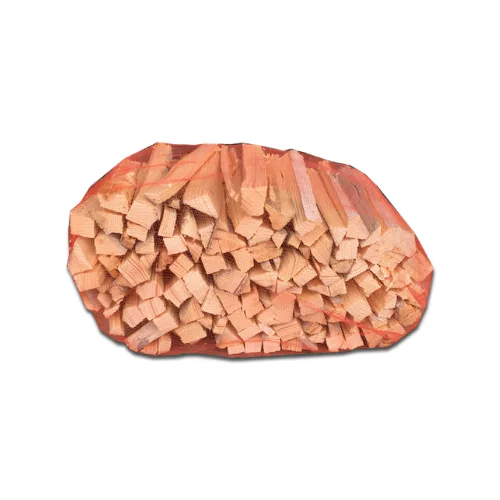
Kiln drying removes moisture in a controlled process, so you don’t have to wait out a long seasoning period. Kiln-dried firewood is usually ready to burn straight away and gives consistent results from one bag or crate to the next.
If you’re unsure which wood suits your stove, our kiln-dried firewood guide compares what burns best in Irish homes. For a closer look at the trade-off between waiting and buying dried, see how kiln-dried oak logs compare with seasoned wood.
When you’re ready to buy, browse our range of kiln-dried logs and check the moisture information on each product. Ash and birch are both popular hardwoods, and you can see dried ash logs and a kiln-dried birch crate in the shop.
Hardwood briquettes
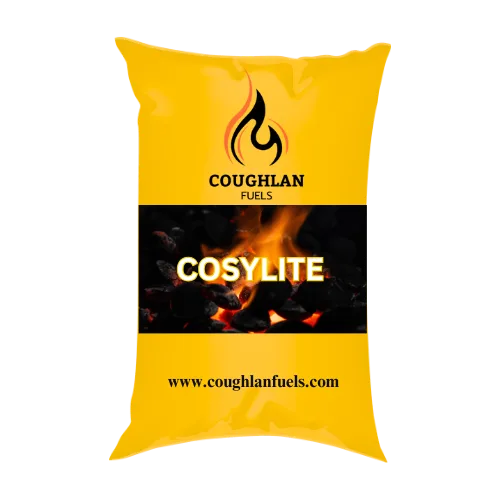
Compressed briquettes are made from dried material and burn steadily. EcoBlaze hardwood briquettes are one example, and you can see details on the EcoBlaze briquettes page. As a manufactured fuel, any briquette you buy should carry the compliance wording and EPA producer number, so check the packaging.
Peat briquettes
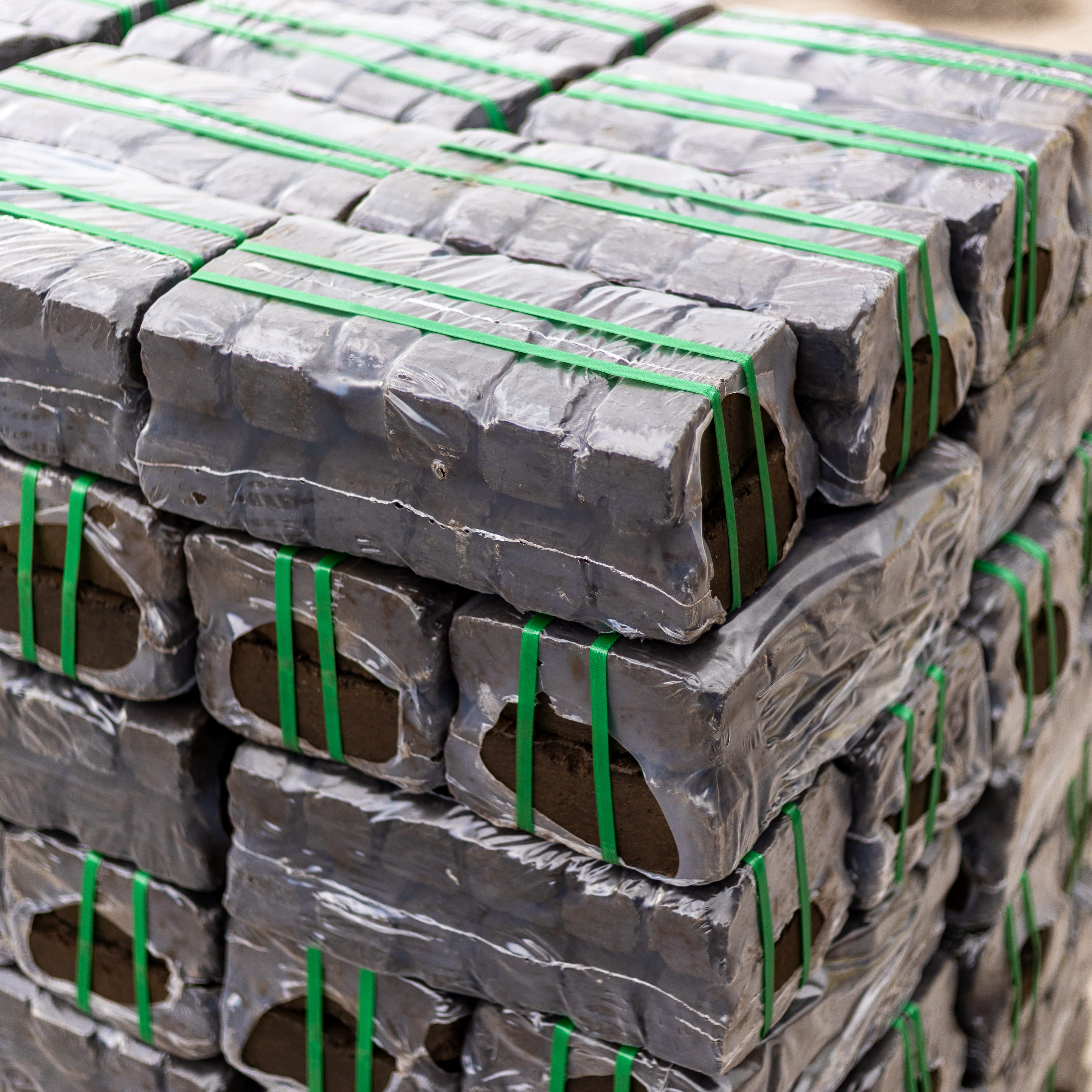
Peat briquettes are another manufactured option, and the same approval and labelling rules apply. Our turf and peat briquettes category lists what’s currently available.
Frequently Asked Questions
Is it illegal to sell wet wood in Ireland?
Yes, in certain circumstances. Logs and wood products sold in quantities under two cubic metres must have a moisture content below 20% from 1 September 2026. Bulk loads of two cubic metres or more can be sold wetter, but must come with instructions on drying.
Can I burn wet wood on my own stove?
The solid fuel regulations I reviewed focus on selling and supplying fuel, not on householders. Even so, wet wood produces more smoke, less heat and more chimney deposits. Your local authority can advise if you have concerns about a specific property.
What moisture level should firewood be?
Under 20% is the legal limit for smaller quantities sold from 1 September 2026. Many stove users aim for a bit lower, which you can only confirm with a moisture meter.
Is “smokeless wood” a real category?
No. “Smokeless” is a regulatory term used for coal products, which must meet a smoke emission limit. When people say smokeless wood, they generally mean well-dried wood that burns with minimal smoke.
How do I know a fuel is approved for sale?
Look for the compliance wording on the packaging and the EPA producer registration number. Producers also appear on the EPA’s published Fuel Register, which is updated each heating season.
Conclusion
Wet wood isn’t banned in the sense many people imagine, but the rules on selling it are firm, and they got stricter on 1 September 2026. Small quantities of logs must now be under 20% moisture, bulk loads need a drying notice, and sellers must use EPA-registered producers.
For householders, the simplest approach is to buy dry, test a few logs when they arrive, and store them somewhere airy and covered. If you’d like help choosing between logs and briquettes for your stove, get in touch with the Coughlan Fuels team and tell us what you burn and how much you use.

Stay Connected With Us




Copyright 2024 © Coughlan Fuels
Website By Creative Digital